
Performance-Based Design

Performance-Based Design enables innovative architecture, operational flexibility, and cost efficiency while demonstrating that life safety objectives are achieved or exceeded. Instead of relying solely on prescriptive code checks, we apply advanced modelling and risk-informed analysis to demonstrate equivalent or superior safety and provide clear, defensible evidence for Authorities Having Jurisdiction (AHJs).

Our methodology aligns with NFPA 101 (Life Safety Code), NFPA 5000 (Building Construction and Safety Code), NFPA 92 (Smoke Control Systems), applicable building and fire codes, and the SFPE Engineering Guide to Performance-Based Fire Protection.
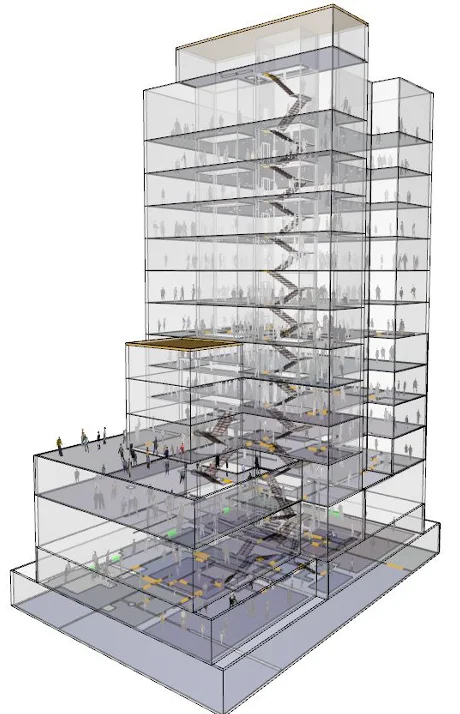
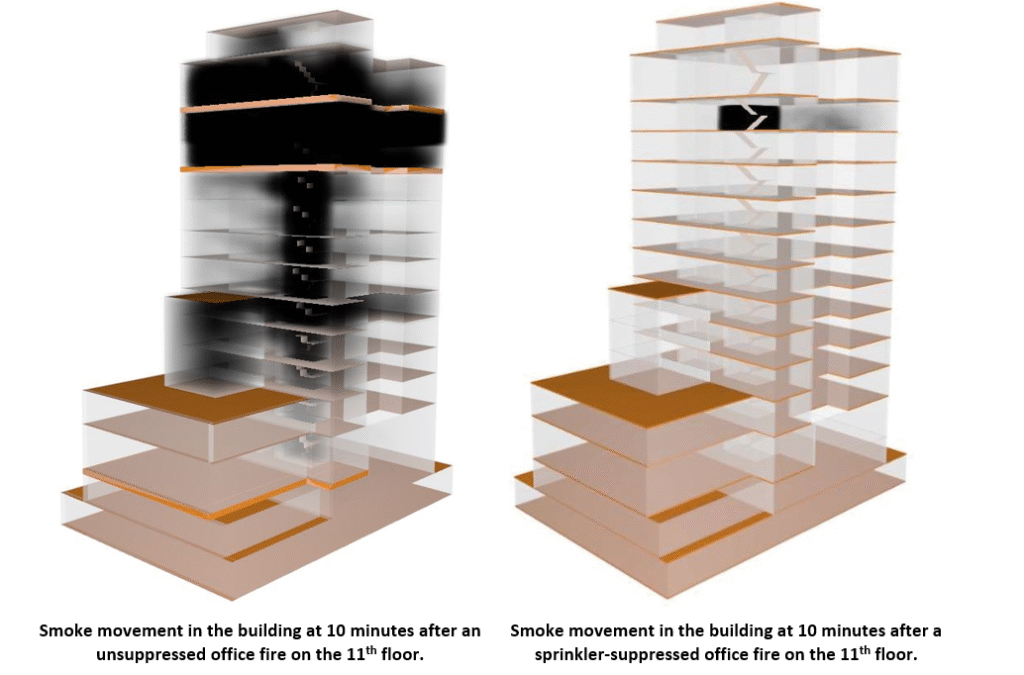
We combine fire modelling tools (FDS, CFAST, CONTAM) with egress modelling (Pathfinder) to compare ASET and RSET and perform Fractional Effective Dose (FED) tenability analysis, quantifying visibility, temperature, and toxic exposure over time. The result is a transparent, defensible basis for demonstrating compliance and achieving approvals with fewer constraints.

Typical applications include complex atria and malls, transport hubs, high-rise and mixed-use developments, industrial and process facilities, heritage and adaptive reuse projects, and unique geometries.
Typical Deliverables

  • Comprehensive Risk-Informed Performance-Based Design Reports
  • Fire and Smoke CFD Modelling Outputs (visual and quantitative)
  • Egress Simulation Reports with tenability evaluations
  • Risk-informed Equivalency Reports for authority submissions
  • Technical Documentation with design assumptions, boundary conditions, and system performance criteria
  • Support for Stakeholder Reviews and AHJ Approvals

Our Expertise Covers

Fire and Smoke Modelling: Use of Computational Fluid Dynamics (CFD) tools such as Fire Dynamics Simulator (FDS) and CONTAM modelling to simulate smoke movement, temperature distribution, toxic gas concentrations, and system interaction with HVAC, climate conditions, and pressurization systems.

Equivalency and Alternative Solutions: Development of equivalency reports and alternative approaches where prescriptive compliance is impractical, demonstrating safety objectives through engineering evidence and documented methodologies.

Egress and Tenability Analysis: Application of egress simulation software (e.g., Pathfinder, STEPS) to predict occupant movement, assess evacuation times, and evaluate tenability conditions against smoke, heat, and toxic gases to ensure survivability thresholds are maintained.

Integration with Building and System Design: Coordination with architectural, structural, and MEP disciplines to embed performance-based solutions seamlessly within the overall project design and operation.

Rational Analysis of Critical Factors: Quantitative evaluation of stack effect, wind pressures, thermal effects of fire, duration of operation, and system interactions to develop reliable, site-specific fire safety strategies.

Regulatory Support and Approvals: Preparation of performance-based design reports, technical justifications, and supporting analysis for Civil Defense and international AHJs, facilitating smooth approval and permitting processes

Outputs and Deliverables

Comprehensive Risk-Informed Performance-Based Design Reports

Fire and Smoke CFD Modelling Outputs (visual and quantitative)

Egress Simulation Reports with tenability evaluations

Risk-informed Equivalency Reports for authority submissions

Technical Documentation with design assumptions, boundary conditions, and system performance criteria

Support for Stakeholder Reviews and AHJ Approvals